

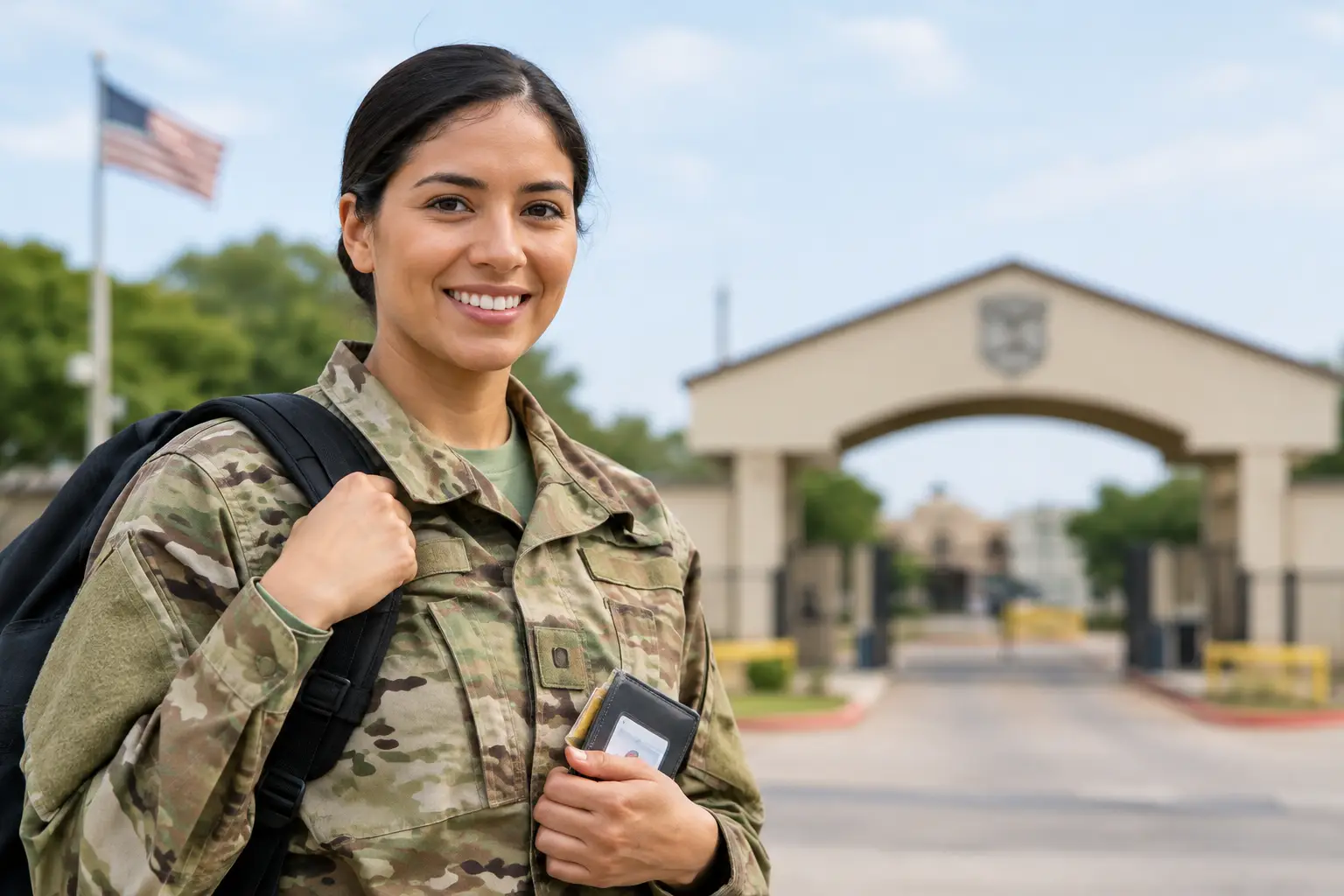
A missed document can turn a quick ID-card errand into another day of driving across San Antonio. Whether you are arriving for a PCS, updating a dependent record, replacing a lost card, or helping a retiree family member, planning ahead for Fort Sam Houston ID cards can save time and reduce stress during an already busy week.
The right office, required paperwork, appointment availability, and installation access rules can change. Start with the official military ID card appointment and personnel resources for current instructions, then use this guide to organize what your household may need before you leave home.
Know Which ID Card Service You Need
Fort Sam Houston supports a large military, medical, retiree, civilian, and family community. Most military ID card services fall into a few common situations: initial issuance for an eligible dependent, renewal before expiration, replacement of a lost, stolen, damaged, or malfunctioning card, status changes after marriage or divorce, and updates connected to retirement or eligibility changes.
A Common Access Card, or CAC, is generally used by active-duty members, selected reserve component members, eligible Department of Defense civilians, and contractors whose job requires one. Uniformed Services ID cards, often called USIDs, are commonly issued to military dependents, retirees, and other eligible beneficiaries. The type of card matters because the documentation and sponsorship requirements may differ.
Do not assume an expired card, a military email account, or a prior enrollment record is enough for same-day service. ID card staff must verify identity and eligibility in the Defense Enrollment Eligibility Reporting System, commonly known as DEERS. If a record is incomplete or a life event has not been updated, the office may be unable to issue a card until the record is corrected.
Before Your Fort Sam Houston ID Card Appointment
Appointments are often the best option, especially during PCS season, school breaks, and periods when retirees and families are handling renewals. Walk-in availability, if offered, may be limited and can depend on staffing and daily demand. Confirm the location, check-in process, operating hours, and any special instructions before heading to post.
For dependents, the sponsor’s role is often the difference between a smooth visit and a delayed one. A sponsor may need to be present, or the dependent may need current authorization when the sponsor cannot attend. This is particularly relevant for spouses, adult dependents, and families handling an ID card while the service member is deployed, on temporary duty, or working an unpredictable schedule.
If your family recently moved to Joint Base San Antonio, take a moment to verify the basics first: names are spelled correctly, marital status is current, children are properly enrolled, and the sponsor’s information matches current orders or status. Those checks can prevent an avoidable stop after you are already at the counter.
Bring original documents whenever possible
The exact document list depends on the reason for your visit, but identification offices generally need valid, unexpired identity documents. A driver’s license, state-issued ID, passport, or other federally accepted identification may be required. If you are bringing a child or updating a dependent’s eligibility, documents such as a birth certificate, marriage certificate, divorce decree, court order, Social Security card, or other proof of relationship may also be necessary.
Original or certified documents are typically safer than photocopies. A photo on your phone may help you remember a detail, but it usually will not replace the actual document. Names must also match across records. If a name changed after marriage, divorce, adoption, or another legal event, bring the documents that show the connection between the old and new name.
For a lost or stolen card, ask in advance whether a replacement requires a statement, report, or additional identification. Requirements can vary by card type and local procedure. Waiting until the day of the appointment to ask can mean rescheduling.
Base Access Is Separate From an ID Card
An appointment for an ID card does not automatically guarantee base access for every visitor. Gate procedures are designed for installation security, and visitors without a valid military or Department of Defense credential may need to use a visitor control process before entering Fort Sam Houston.
This distinction matters for parents accompanying a young adult, a spouse who does not yet have a current card, caregivers, or family friends providing transportation. The person with the appointment should not be dropped at a gate and expected to sort everything out alone. Build in extra time, bring required photo identification, and confirm current visitor procedures before the appointment day.
If you are new to San Antonio, remember that Fort Sam Houston is one part of Joint Base San Antonio. Services at Lackland, Randolph, and Fort Sam Houston may have different locations, traffic patterns, and office availability. A service offered at one installation may not be handled the same way at another. Choose the office listed for your appointment rather than relying on an old address or advice from a previous assignment.
Plan Around PCS and Family Logistics
ID card tasks often compete with housing appointments, school enrollment, medical in-processing, vehicle registration, and unpacking. For a military household, the most practical approach is to tie the ID card appointment to other tasks only when you have enough time to absorb delays. Scheduling it immediately before a lease signing, flight, or child pickup can create unnecessary pressure.
Families with children should also consider age-based enrollment and renewal requirements. A child who recently reached an eligibility milestone may need an appointment even if the household is already established in DEERS. Teenagers and college-age dependents can have additional documentation questions, particularly when eligibility is connected to school attendance or special circumstances.
Retirees and surviving family members should be equally deliberate. An expiring retiree ID card can affect access to benefits, pharmacy services, commissary privileges, and other routine needs. If the card is close to expiration, give yourself time to obtain an appointment before a medical visit or travel date. If eligibility changed after the death of a sponsor or another major life event, ask what documentation is needed before making the trip.
What to Do If Something Does Not Match
A problem at the ID card office is often a records issue, not a refusal of benefits. Stay patient, ask which record or document needs attention, and write down the next step before leaving. You may need assistance from a unit personnel office, DEERS support channel, legal office, school official, or another agency that holds the source document.
For example, a new spouse may have a valid marriage certificate but still need the sponsor to complete enrollment actions. A dependent with a different last name may need documents that establish the relationship. A recently divorced spouse may need a court order with specific language. These situations are common, and they usually become manageable once the staff member identifies the missing piece.
Keep copies of key family documents in a secure, portable file during a PCS. That file should include the documents you would not want packed in a moving truck: birth certificates, marriage and divorce records, Social Security cards, passports, orders, and prior ID information. Digital backups can be useful for reference, but protect personal information and carry originals when an office requires them.
A Simple Day-of-Appointment Check
Before leaving, confirm the appointment confirmation, the correct Fort Sam Houston location, valid photo identification for everyone attending, supporting documents, sponsor presence or authorization if required, and your plan for gate access. If you are replacing a card, bring the old card unless it is lost or stolen. Arrive early enough for parking, gate traffic, and check-in, but do not assume arriving far ahead will move your appointment time.
JBSA On Demand encourages households to treat ID-card errands as a practical part of settling into the San Antonio area, not an afterthought. A little preparation protects your time and helps your family keep moving through the rest of the week.
When the appointment is complete, place the new card where it belongs, confirm that each family member understands how to protect it, and keep your document file ready for the next life change. That small bit of organization can make the next PCS, renewal, or unexpected replacement far less disruptive.


